Welcome to AQUA BOTANY
Smart plant care for indoor growers: know when to water, learn what each plant actually needs, and keep a record of how yours are doing.
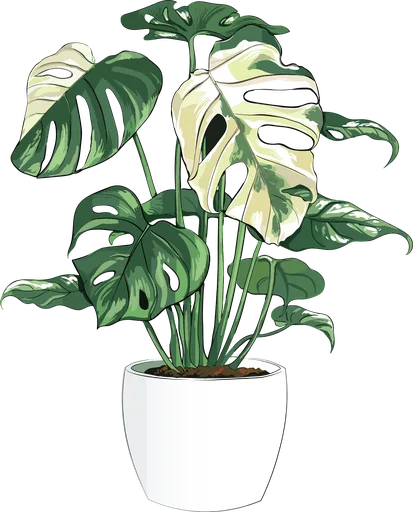
Every plant on its own schedule, not one reminder for all of them.
Get startedNew here? Create an account
What you get
Your plants
Keep every plant you own in one place, with the care each one actually needs rather than one generic schedule.
Tasks and reminders
Watering and care tasks with real due dates, so a plant that needs attention says so instead of waiting to be noticed.
Learn
Seasonal advice, care guides, and what grows and lives where you garden. Written for the plant in front of you.
Plant care questions, answered
- How often should I water an indoor plant?
- There is no single interval, because watering need depends on the species, the pot, the light it gets and the time of year. The usual practice is to check the soil rather than the calendar: push a finger into the top couple of centimetres and water most houseplants only once that layer has dried. Watering to a fixed schedule is the most common way a healthy plant ends up with waterlogged roots.
- What does Aqua Botany do?
- Aqua Botany is a web app for keeping track of the plants you own and the care they need. You add each plant, set watering and care tasks with a day and a time, keep notes against a plant over its life, and read seasonal and plant-specific care guidance. If you have an Aqua Botany sensor, its readings are shown alongside the plant they belong to.
- Do I need a sensor to use Aqua Botany?
- No. Tracking plants, watering reminders, care tasks, notes and the care guides all work with no hardware at all. A sensor adds automatic readings from the pot itself, so you are reading the soil rather than estimating it, but it is an addition to the app rather than a requirement for it.
- What does a soil moisture reading actually tell me?
- A soil moisture sensor reports how much water is held in the root zone around the probe, shown as a percentage. The trend over several days is more informative than any single figure, since it shows how fast that particular pot dries out in your room. Aqua Botany devices also report light and the level in the water tank, which are the other two things that usually explain a reading you did not expect.
- Why are the leaves on my houseplant turning yellow?
- Yellowing has several ordinary causes and the soil is the first place to look, since too much water and too little produce similar looking leaves. Light is the next: a plant moved further from a window, or one that has sat through a darker season, often sheds older leaves. A plant that has been in the same soil for a long time may simply have run out of what that soil held.
- How can I tell if I am overwatering a plant?
- It is harder than it sounds, because too much water and too little produce similar looking leaves: yellowing, drooping and soft growth turn up either way. The soil is what separates them. Wet soil days after watering, a sour smell, or a pot that never seems to dry points to too much water rather than too little, and roots sitting in it are the usual reason a plant declines slowly rather than wilting sharply. Checking the soil before each watering, instead of watering on a day of the week, avoids most of it.
- How much light does a houseplant need?
- More than most rooms suggest. Light falls away quickly with distance from a window, so a plant a few steps into a room can be receiving a small fraction of what one on the sill gets, even though both look bright to a person. A plant that stretches toward the window, spaces its leaves further apart or drops its lower ones is usually asking for more. What each plant wants differs enough that it is worth looking up rather than assuming, which is what the care guides are for.
- Should I water less in winter?
- Usually yes, and for two reasons at once. Most houseplants grow slowly or pause in the darker months, so they use less, and cooler soil also dries more slowly. Keeping a summer watering interval through winter is one of the most common ways a plant that was fine all year gets into trouble. The same rule still applies: check the soil rather than the date, and expect the gap between waterings to stretch.
- How do I find plants suited to where I live?
- For anything grown outdoors, the usual starting point is your hardiness zone, which describes the coldest temperatures a place normally reaches. Aqua Botany can look up the zone for your location, or you can browse another zone directly, and suggest plants that suit it. Indoor plants are far less bound by zone, so for those the questions that matter are how much light the spot gets and how dry the air is.